Introduction
CCTV Camera for Libraries in Durgapur: Libraries contain books, computers, study areas, reception desks, entrances and shared spaces that benefit from thoughtful security monitoring. CCTV should provide useful visibility in common areas while respecting privacy and maintaining a quiet environment for readers.
Why Library CCTV Needs Careful Design
Book shelves and partitions can create hidden corners. A camera plan should consider entrances, circulation desks, computer areas, corridors and selected external zones without unnecessarily monitoring private or sensitive spaces.
Recommended Camera Locations
- Main entrance and exit.
- Reception or circulation desk.
- Computer or equipment areas where appropriate.
- Corridors and common study areas where suitable.
- Staff-only access points.
- External entrance and parking approaches.
Choosing Cameras
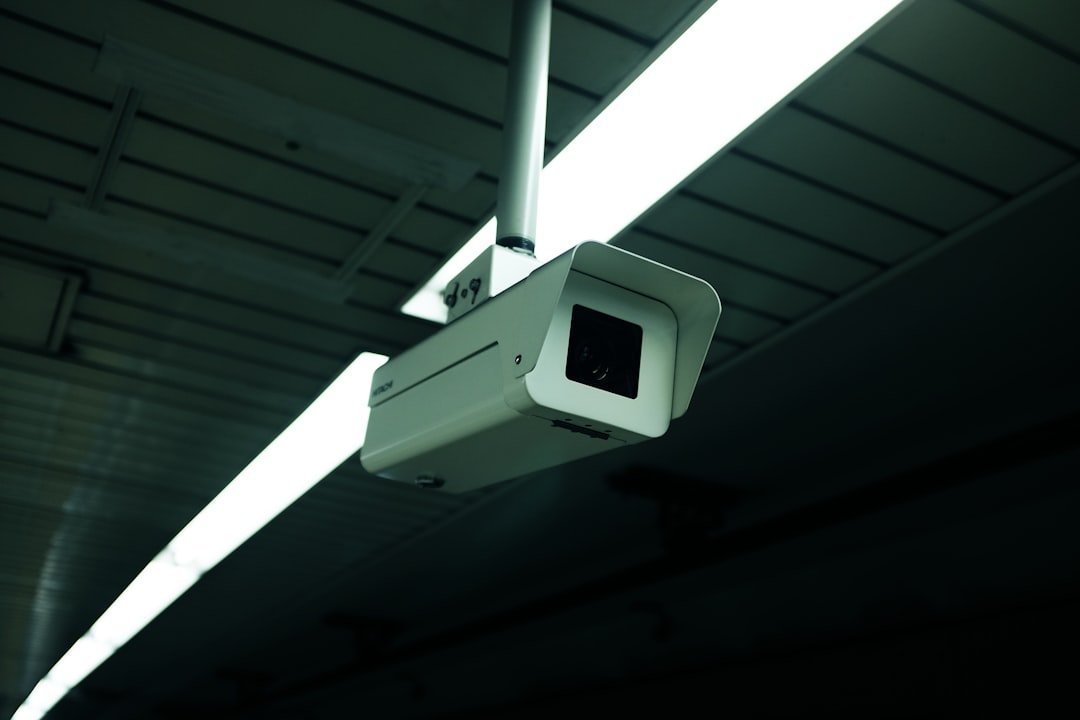
Dome cameras can suit indoor library areas because they are compact and can cover defined scenes. Outdoor-rated cameras can be used at entrances and external areas. Resolution and lens selection should be based on the viewing distance and required detail.
Lighting and Quiet Indoor Areas
Libraries may use relatively even lighting, but windows can introduce strong daylight. Camera positions should be tested to avoid excessive backlighting. Equipment should also be installed so it does not interfere with normal library operations.
Recording and Storage
Storage needs depend on camera count, resolution, recording mode and retention requirements. The recorder should be placed securely, with access limited to authorised staff. Periodic playback testing helps confirm that important cameras are actually recording.
Network Planning
IP cameras require reliable cabling and network equipment. PoE can simplify compatible installations. Cable routes should be neat, protected and planned so future maintenance does not disturb readers or staff unnecessarily.
Remote Monitoring
Authorised administrators may use remote access for entrances and other approved areas. Accounts should be protected with strong credentials and limited to the permissions needed for each role.
Privacy and Responsible Use
Library surveillance should focus on legitimate security purposes. Cameras should not be placed in inappropriate private areas. Management should define who can view recordings, how footage is retained and how incident footage is handled.
Maintenance Checklist
- Clean lenses regularly.
- Check camera angles after furniture changes.
- Verify recording and storage status.
- Test entrance views in daytime and evening.
- Inspect cables and connectors.
- Confirm system time.
- Review authorised users.
Common Mistakes
Common problems include blocked views caused by shelves, excessive coverage of private spaces, poor entrance visibility, unsecured recorders and lack of playback testing. A site survey can help prevent these issues.
Mithu Tech Group Services
Mithu Tech Group provides CCTV camera sales, installation and related technology services in Durgapur. Library systems can be planned around entrances, circulation areas, equipment zones, corridors and appropriate external views.
Conclusion
A library CCTV system should improve visibility while preserving a comfortable environment for readers. Purposeful camera placement, reliable recording, secure access and regular maintenance provide a practical foundation for long-term use.