Introduction
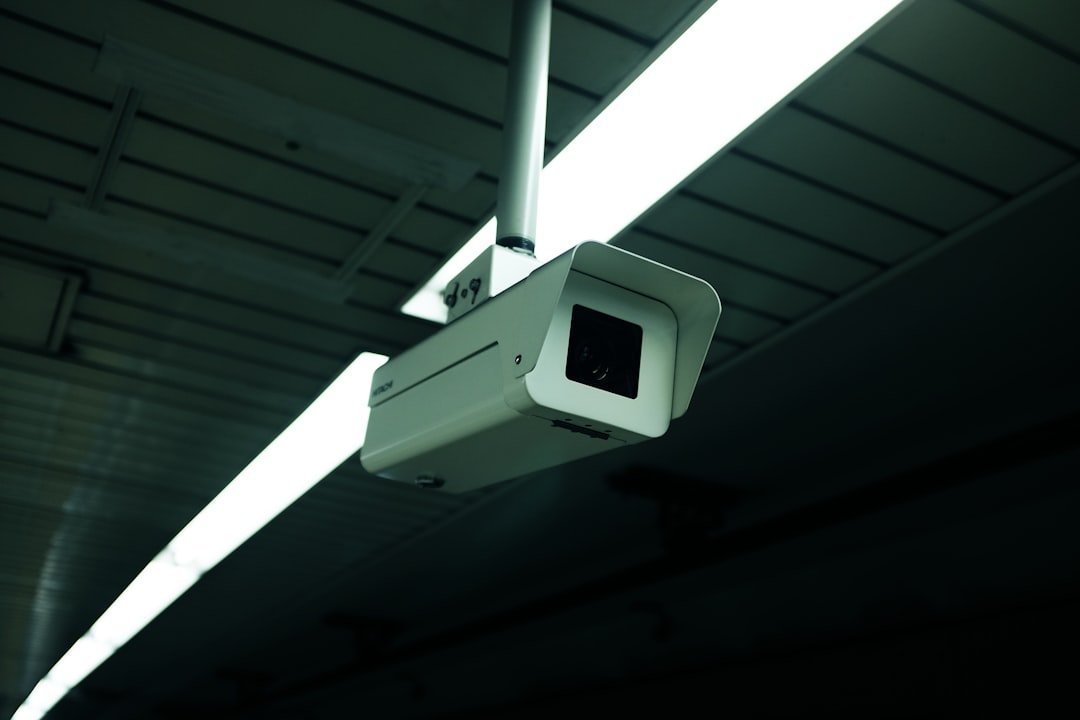
CCTV Camera for Corporate Campuses: Corporate campuses can include multiple buildings, reception areas, parking, employee entrances, meeting spaces, service zones and perimeter access. CCTV planning for such a site should begin with a map of movement and security objectives rather than simply adding cameras to every building.
Why Campus CCTV Needs a Unified Plan
Multiple buildings can create separate surveillance systems that are difficult to manage consistently. A unified plan can define camera roles, recording locations, network architecture, user access and maintenance responsibilities.
Priority Coverage Areas
- Main gates and visitor entrances.
- Reception and security desks.
- Employee entry points where appropriate.
- Parking areas and vehicle approaches.
- Building corridors and common access areas.
- Loading and service entrances.
- Critical equipment or restricted-access approaches.
Camera Selection
Use camera types according to each scene. Dome cameras can suit indoor common areas, while outdoor-rated cameras can cover exposed gates and parking. PTZ cameras may complement fixed cameras in suitable large areas, but they should not be the only source of coverage.
Perimeter and Gate Monitoring
Perimeter cameras should provide useful views of approaches and access points. Avoid excessive wide-angle coverage if the objective requires identifiable detail. Lighting and vehicle headlights should be tested during the actual operating hours.
Network Architecture
Large campuses require careful network planning. Camera traffic, switch capacity, PoE requirements, cable distances and recording locations should be considered. Equipment should be organised so faults can be diagnosed without disrupting unrelated systems.
Recording and Storage
Storage depends on the number of cameras, resolution, frame rate, recording mode, activity and retention requirements. Centralised or distributed recording should be chosen according to site size and operational needs.
Remote and Multi-User Access
Security managers may need access from different locations. Accounts should be individual where possible, protected with strong credentials and assigned only the permissions required for the role. Access should be reviewed when staff responsibilities change.
Privacy and Governance
Campus surveillance should focus on legitimate security and operational purposes. Private areas should not be unnecessarily monitored. Organisations should define who can view footage, how recordings are retained and how incident footage is handled.
Maintenance
- Inspect cameras across all buildings.
- Check recording and storage health.
- Review network connectivity and PoE.
- Test gates and parking views.
- Clean lenses and housings.
- Confirm system time.
- Review user permissions.
Common Mistakes
Common issues include inconsistent camera standards across buildings, unplanned network expansion, poor gate views, unsecured recorders and inactive user accounts. A documented architecture and maintenance schedule can reduce these problems.
Mithu Tech Group Services
Mithu Tech Group provides CCTV camera sales, installation and related technology services in Durgapur. Corporate campus projects can be planned from perimeter and entry coverage through building-level surveillance and secure remote access.
Conclusion
Corporate campus CCTV should be treated as an integrated infrastructure project. A clear coverage plan, appropriate cameras, scalable networking, dependable storage and controlled access help create a system that remains manageable as the campus grows.